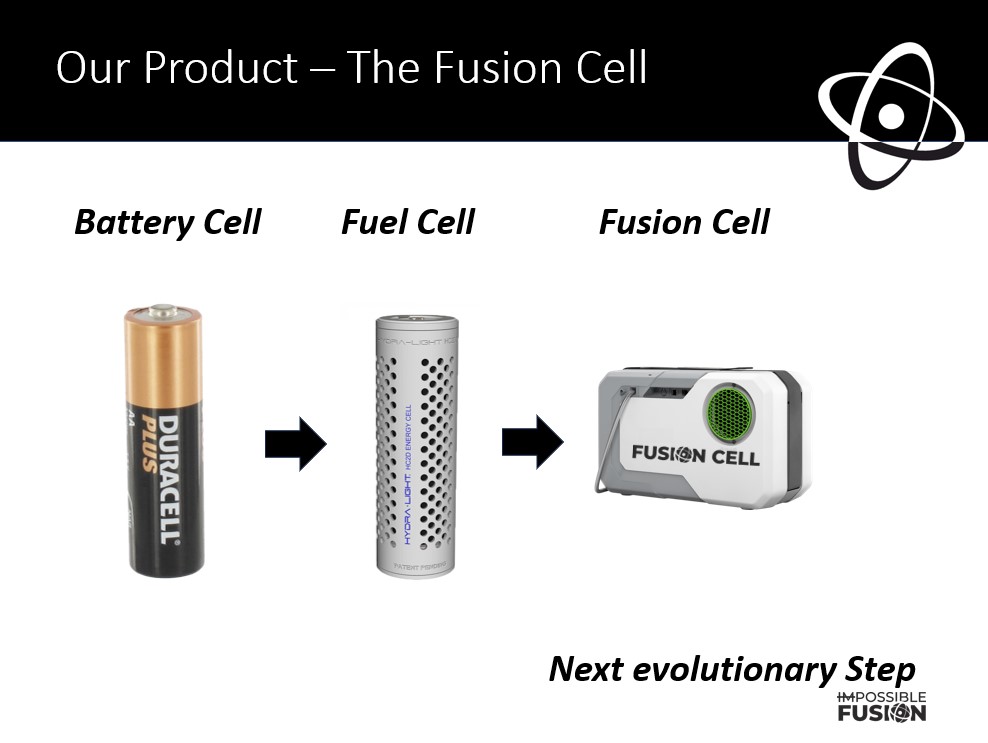
The evolution of energy technologies reflects humanity’s enduring quest to store and release energy more densely, cleanly, and efficiently. From the humble battery cell powering a flashlight to the tantalizing promise of heavy water fusion, each step represents a leap in how we harness and release stored energy. At the heart of this progression lies the concept of energy density—the amount of energy stored per unit of mass or volume—a critical metric determining practicality, range, and application.
1. The Battery Cell: Electrochemical Storage
Battery cells are electrochemical devices that store energy through redox (reduction-oxidation) reactions. The most widespread today are lithium-ion batteries, found in consumer electronics, electric vehicles (EVs), and grid storage.
⮞ Energy Density:
- Gravimetric: ~100–265 Wh/kg
- Volumetric: ~250–750 Wh/L
Lithium-ion chemistry achieves a high balance of energy per mass and volume compared to older lead-acid or nickel-metal hydride technologies. Yet, even at its best, lithium-ion is constrained by chemical limits: electrons are shuffled within fixed material structures, and the amount of energy that can be released per unit mass is relatively modest compared to combustion or nuclear processes.
Batteries excel in efficiency, often achieving >90% charge–discharge cycles, but their specific energy (Wh/kg) sets practical limits on applications like long-haul transport and aviation. Engineers are pushing limits through solid-state electrolytes, silicon anodes, and lithium-sulfur cells, but these remain evolutionary rather than revolutionary improvements.
2. The Hydrogen Fuel Cell: Chemical to Electrical Conversion
When applications demand higher range and rapid refueling, hydrogen fuel cells emerge as a compelling alternative. Rather than storing energy electrochemically like a battery, fuel cells convert the chemical energy of hydrogen directly into electricity through an electrochemical process involving a proton exchange membrane (PEM) or solid oxide.
⮞ Energy Density:
- Hydrogen (gas at 700 bar): ~33 kWh/kg (≈120 MJ/kg)
- Fuel Cell System (including tanks, balance of plant): ~0.8–2 kWh/kg effective
While pure hydrogen has an outstanding gravimetric energy density (more than 100× greater than typical lithium-ion batteries), its volumetric energy density is low at standard conditions. Compressing hydrogen to 700 bar increases volumetric density but requires heavy, high-pressure tanks that reduce the system’s effective energy per mass.
In practice, hydrogen fuel cells offer compelling performance for heavy vehicles and long-range travel. For example, fuel-cell buses and trucks can achieve ranges comparable to diesel with shorter refueling times than battery charging. However, inefficiencies in hydrogen production (e.g., electrolysis) and infrastructure hurdles temper current deployment.
Fuel cells also boast high electrical conversion efficiency—often ~40–60%—and zero tailpipe emissions when pure hydrogen is used, making them attractive for decarbonizing transportation and industry.
3. The Heavy Water Fusion Cell: A Visionary Frontier
At the far edge of energy technology lies nuclear fusion—the process that powers the sun. In contrast to chemical reactions in batteries or fuel cells, fusion releases energy by combining light atomic nuclei, converting small amounts of mass into vast energy via Einstein’s E=mc2.
“Heavy water fusion cells” commonly refers to fusion systems using deuterium (D) from heavy water (D₂O) as fuel. Deuterium is abundant and, when fused with tritium (T), produces helium and high-energy neutrons. Although controlled, compact fusion remains experimental, the theoretical energy yield is staggering.
⮞ Energy Density (theoretical):
- Deuterium–Tritium fusion: ~340,000,000 Wh/kg (≈1.2 × 10^12 J/kg)
This energy density dwarfs chemical processes:
- ~1,000,000× greater than gasoline (~12 kWh/kg)
- Millions of times above typical batteries
If a practical “heavy water fusion cell” were achieved—one small enough to power a vehicle or grid segment—it would revolutionize energy. A few grams of fusion fuel could yield as much energy as tons of fossil fuel. No greenhouse gas emissions and minimal long-lived radioactive waste would accompany operation.
But breakthroughs are needed. Current fusion experiments like tokamaks and inertial confinement systems require immense infrastructure and energy input. Key challenges include sustaining high temperatures (~100 million °C), confining plasma stably, and achieving net positive energy output.
Researchers explore alternatives such as magnetic confinement, inertial fusion with lasers, and advanced aneutronic fuels. Heavy water derivatives like deuterium–deuterium fusion promise cleaner reactions but are even harder to initiate.
4. Comparative Landscape: Energy Density and Applications
| Technology | Gravimetric Energy Density | Primary Limitation |
|---|---|---|
| Lithium-ion Battery | ~100–265 Wh/kg | Chemical limits, weight |
| Compressed Hydrogen | ~33 kWh/kg (fuel) | Volumetric density & storage mass |
| Fuel Cell System | ~0.8–2 kWh/kg | Balance-of-plant burden |
| Fusion Fuel (D-T) | ~340,000,000 Wh/kg | Technical feasibility |
This spectrum tells a story of energy compression—from electrons in solids to nuclei in plasma. Each step increases available energy by orders of magnitude but also raises engineering complexity.
5. Conclusion: Bridging Today and Tomorrow
The path from battery cells to hydrogen fuel cells to hypothetical heavy water fusion cells mirrors humanity’s ambition to pack more power into smaller packages with less environmental impact. Batteries dominate today’s electrified world; fuel cells are carving niches in heavy transport and industry; fusion remains the ultimate prize—a potential energy panacea.
Understanding energy density not only clarifies technological strengths and limits but also inspires the innovations required to cross thresholds once thought impossible. The journey continues.
 Impossible Fusion