The History of Cold Fusion: From Early Dreams to Modern Research
Cold fusion has long captured the imagination of scientists, policymakers, and the public as a potential breakthrough energy source. Its story is one of bold claims, heated controversy, and persistent curiosity. Below is a polished, web‑ready summary of its journey—organized for readability with timelines, callouts, and clear sections.
Page 1: Early Origins and the First Sparks (1900s – 1980s)
The Birth of Fusion Research
- 1920s–1930s: Physicists like Ernest Rutherford and Mark Oliphant discovered nuclear fusion in the laboratory, but only under extreme heat and pressure.
- Mainstream research focused on “hot fusion,” eventually leading to massive projects like tokamaks and ITER.
Callout: Cold fusion refers to nuclear fusion reactions occurring near room temperature, in contrast to the millions of degrees required in stars or reactors.
The Pons & Fleischmann Shock (1989)
- March 23, 1989: Electrochemists Martin Fleischmann and Stanley Pons announced that they had achieved fusion in a tabletop experiment.
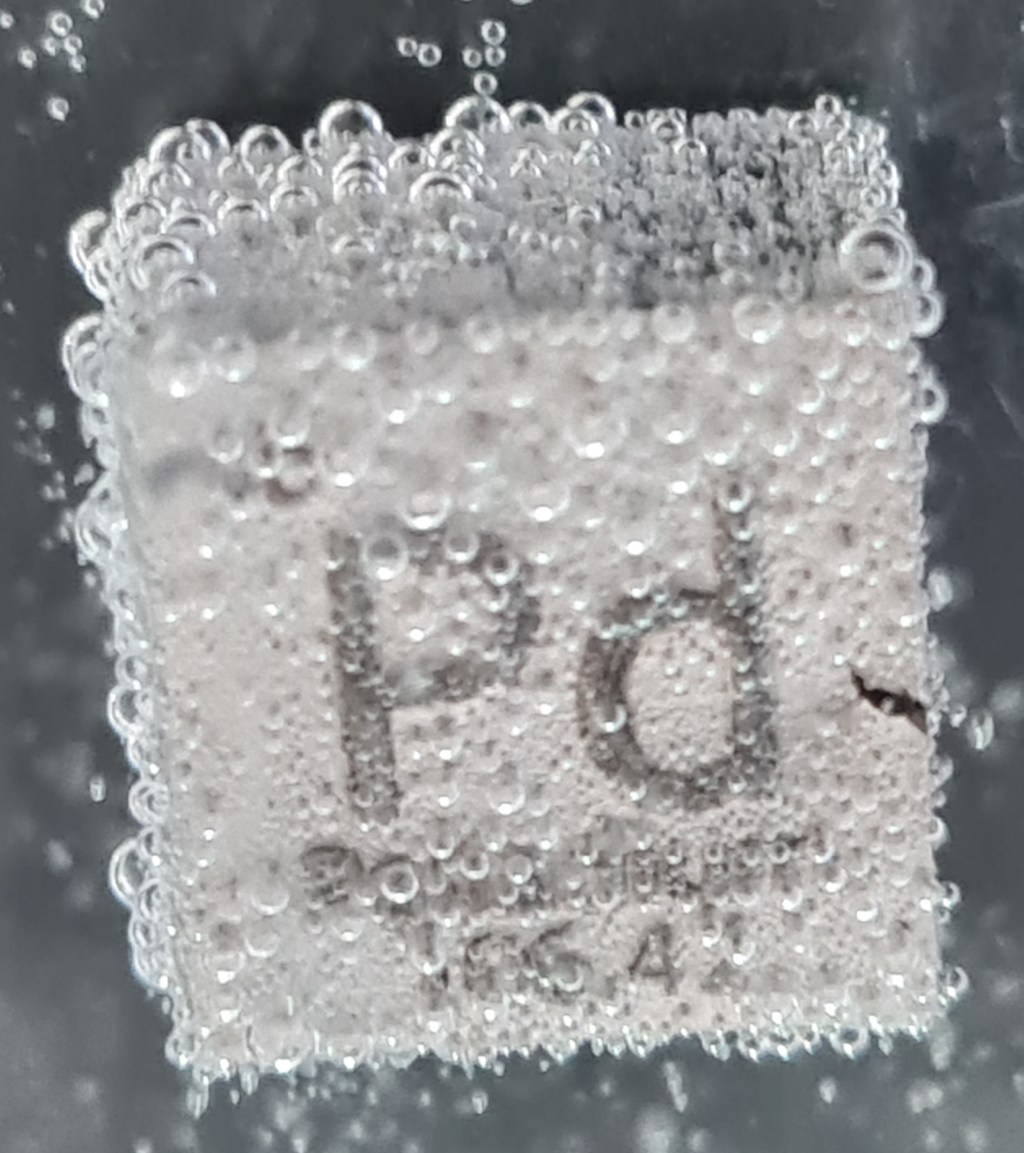
- Method: Passing electric current through heavy water (D₂O) with a palladium electrode.
- Reported result: “Excess heat” far beyond chemical reactions, suggesting nuclear origins.
Impact: The announcement sparked worldwide excitement. Media dubbed it an “energy miracle,” and labs rushed to replicate the findings.
Page 2: Controversy and Decline (1990s – early 2000s)
Scientific Backlash
- Major institutions (MIT, Caltech, DOE) failed to reproduce results.
- Critics pointed to measurement errors and lack of nuclear byproducts.
- By the early 1990s, consensus formed that cold fusion was not credible science.
Timeline Snapshot:
- 1989 (April): DOE organizes panels; replication attempts mostly fail.
- 1990s: Pons & Fleischmann leave academia amid mounting criticism.
Cold Fusion Goes Underground
- Funding dried up, and the term “cold fusion” became stigmatized.
- A dedicated community persisted through the International Conference on Cold Fusion (ICCF).
- Researchers rebranded the field as Low-Energy Nuclear Reactions (LENR).
Notable Efforts:
- Japan, Italy, and U.S. Navy labs quietly pursued anomalies.
- Reports occasionally suggested unexplained heat or particles, though reproducibility was poor.
Page 3: A Quiet Revival and Ongoing Research (2000s – Present)
New Momentum
- Advances in Materials: Better hydrogen loading in palladium/nickel produced more consistent anomalies.
- New Theories: Ideas such as quantum tunneling, lattice confinement, and electron screening emerged.
- Institutional Interest: NASA, DARPA, and Japanese firms like Clean Planet cautiously revisited LENR.
Callout: A 2015 U.S. Department of Energy review concluded that while evidence was inconclusive, some results merited continued investigation.
High‑Profile Controversies
- Andrea Rossi’s E‑Cat device claimed to generate large amounts of excess heat, attracting investors and headlines. Lack of transparency, however, left many scientists skeptical.
Where Things Stand Today
- LENR research remains fringe but persistent.
- Private startups (e.g., Brillouin Energy) and academic groups explore potential.
- The field hosts regular conferences, attracting both skeptics and advocates.
Future Outlook: If reproducibility improves and a theoretical framework solidifies, LENR could revolutionize clean energy. For now, it serves as both a cautionary tale of scientific hype and a reminder of science’s open‑ended curiosity.
Key Timeline of Cold Fusion
- 1920s–30s: Discovery of nuclear fusion.
- 1989: Fleischmann & Pons announce cold fusion.
- 1990s: Failed replications; field discredited.
- 2000s: Rebranded as LENR; small research groups persist.
- 2010s: Renewed interest by NASA, DOE reviews, and private firms.
- 2020s: Ongoing small‑scale studies and conferences; no mainstream breakthrough yet.
Conclusion
The history of cold fusion is one of bold ambition, scientific controversy, and enduring mystery. From the excitement of 1989 to today’s cautious revival, the story underscores both the dangers of premature announcements and the value of continuing to explore the unknown. Whether LENR will one day deliver a clean energy revolution remains uncertain—but the pursuit itself reflects humanity’s relentless quest for discovery.
 Impossible Fusion